
Climate Solutions and Disaster Resilience: Powering Homes, Restoring Wildlife, and Building Green
Power outages linked to winter weather now occur twice as frequently as decades ago, driven by intensifying storms and an aging grid. In Draper, Utah, solar panels and home batteries form decentralized systems known as virtual power plants (VPPs). These setups keep homes powered during outages and share excess energy with neighborhoods and the grid, reducing reliance on fossil fuel plants.
During a heavy snowfall that buried cars under 7 feet of powder, one homeowner's battery system provided shelter and warmth to neighbors. VPPs benefit communities during storms, outages, or transmission disruptions, offsetting the need for peaking power plants converted from coal.
Reintroducing Wildlife for Carbon Capture
Reintroducing wildlife offers a natural approach to combating climate change. In Romania's Carpathian Mountains, bison absent for 200 years due to hunting and habitat loss now number over 200. These keystone species graze meadows, spread seeds via dung and fur, and maintain open landscapes that boost ecosystem productivity.
New research from Yale highlights bison's role in the carbon cycle. Their grazing stimulates grass growth, enhancing carbon capture in soils by 2 to 9 times compared to ungrazed areas. Similar dynamics occur in oceans, where sea otters control crabs that protect eelgrass beds key "blue carbon" habitats sequestering CO2.
Restoring nine key species like bison, whales, elephants, and wildebeest could offset U.S. annual CO2 emissions, capturing 6 billion tons of carbon globally. This underscores the link between biodiversity conservation and climate policy.
Wildfires Disrupt NASA's Jet Propulsion Laboratory
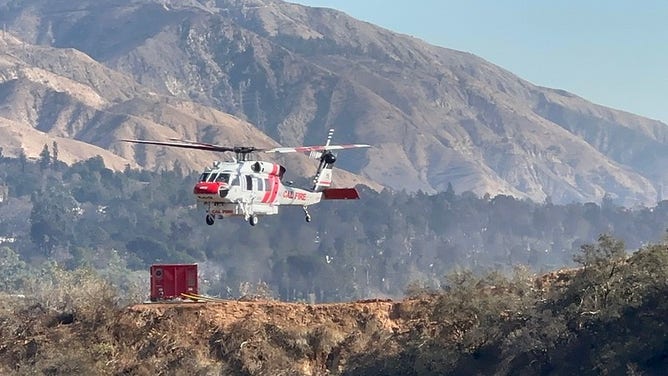
Cooler temperatures aided containment of Los Angeles County's Palisades and Eaton fires, which burned over 23,000 acres and claimed 16 lives. The Eaton fire threatened NASA's Jet Propulsion Laboratory (JPL), evacuating its mission operations room for the first time in 60 years.
JPL staff, including firefighters, battled flames at the lab's doorstep. Despite personal losses over 200 employees' homes destroyed operations continued for 40+ spacecraft, including Voyager beyond the solar system. The community vows to rebuild stronger.
Weather Radar Vandalism Threatens Early Warnings
Early warnings save lives during floods and tornadoes, but vandalism hit a CBS affiliate's radar in Oklahoma City, knocking it offline. Conspiracy theories falsely claim radars control weather, prompting threats from groups targeting sites.
Radars emit low-energy pulses akin to Wi-Fi, scanning 160 miles for hazards. Damage disrupts tracking, endangering communities. Incidents like this highlight risks to lifesaving tech, with arrests underway.
Financial Recovery After Natural Disasters

Natural disasters caused $131 billion in global losses in early 2025. Key steps include applying for aid at DisasterAssistance.gov, organizing finances online, and managing cash flow. Digitize statements as PDFs, use e-delivery, and employ password managers.
Crowdfunding helps but may affect FEMA benefits if targeted (e.g., vehicle replacement). Scan documents post-tax season for preparedness.
Hotel Marcel: A Zero-Emissions Model
Construction drives 37% of global emissions. Hotel Marcel in New Haven repurposes a brutalist landmark with 1,000+ solar panels, generating power for 25+ years. Adaptive reuse cuts emissions 50-70% versus new builds.
Achieving the U.S. Energy Department's platinum zero-emissions rating, it features electric kitchens, heat pump laundry, triple-glazed windows, and a microgrid switching solar, batteries, and green utility power. This replicable model advances sustainable hospitality.
These stories reveal interconnected solutions: technology, nature, preparedness, and innovation combat climate challenges.
0 Comments