
The Rise and Retreat of Climate Politics
How climate change became a dominant political force, and why its influence now appears to be fading.
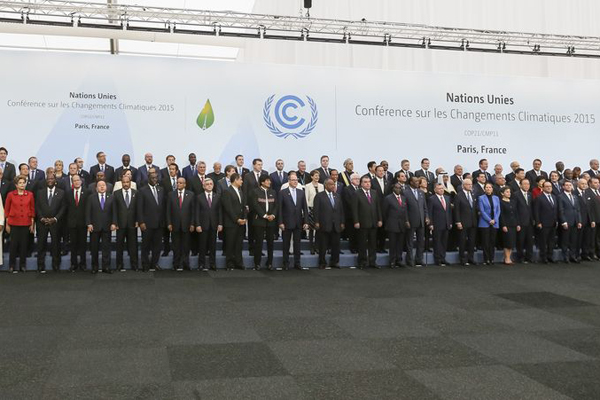
Ten years ago, as governments from around the world gathered in Paris and committed themselves to reducing carbon emissions, climate change was widely viewed as one of the most important political issues of the era. The Paris Agreement symbolized a shared belief that coordinated global policy could meaningfully alter the planet’s climate trajectory.
This sense of urgency only intensified in the years that followed, particularly as populist political movements gained traction in Western democracies. Climate change increasingly became more than a scientific or environmental issue. It evolved into a cultural and political marker.
Climate Alarmism and Political Identity
During the Trump presidency, climate policy arguably became a unifying cause for establishment centrists, liberal progressives, and the far left. Demonstrating concern over climate change became a way to signal opposition to populism and to portray political adversaries as reckless or dangerous.
A major turning point came in 2018, when a United Nations report warned that without drastic emissions cuts by 2030, limiting warming to 1.5°C would be extremely difficult. While the report itself was cautious in tone, its conclusions were frequently stretched in media and political messaging. The public was told that human extinction, mass death, and civilizational collapse were imminent unless governments were granted sweeping new powers.
This framing helped justify ambitious proposals like the Green New Deal. Though the legislation never passed in its original form, it permanently shifted the conversation by tying climate policy to large-scale economic and social restructuring.
From Campaign Rhetoric to Policy
When Joe Biden won the 2020 election, climate policy quickly moved from rhetoric to implementation. The administration enacted a wide range of environmental regulations and subsidies, culminating in the 2022 Inflation Reduction Act. Despite its name, the bill functioned as the largest climate-focused spending package in U.S. history.
Through tax credits, grants, and regulatory changes, the federal government poured hundreds of billions of dollars into renewable energy, electric vehicles, and green manufacturing. Climate policy became embedded in American industrial strategy, with the clear expectation that it would remain a permanent feature of public life.
A Sudden Shift
Yet only a few years later, the political landscape changed. Climate change was noticeably downplayed during the 2024 campaign, even by candidates who had previously emphasized it. When Trump returned to office and began reversing many climate-related executive actions, the response was surprisingly muted.
At the same time, corporate enthusiasm cooled. ESG initiatives were quietly scaled back or rebranded. Major financial institutions withdrew from climate alliances, and manufacturers reduced investments in green products that failed to attract consumer demand. The shutdown of the Net-Zero Banking Alliance symbolized this broader retreat.
Cracks in the Narrative
Further momentum was lost when a highly cited academic study on the economic damages of climate change was retracted after data flaws were revealed. Soon after, Bill Gates published a memo that surprised many observers. While acknowledging climate risks, he rejected apocalyptic scenarios and emphasized that many climate-linked problems are fundamentally issues of poverty and development.
This shift in tone was notable not because it denied climate change, but because it challenged the moral panic that had dominated public discourse for nearly a decade.
Why the Panic Faded
The decline of climate alarmism does not appear to be the result of new scientific discoveries, but rather changing political incentives. Several factors played a role:
- Public distrust in elite institutions following the COVID pandemic
- Economic pressure and rising cost-of-living concerns
- Fatigue from constant warnings of imminent catastrophe
- Shifting activist priorities toward other global conflicts
Most importantly, climate alarmism stopped being politically useful. The coalition that once benefited from it no longer gains the same leverage or public compliance.
What Comes Next
None of this means climate change has disappeared or that environmental challenges are irrelevant. It does mean that exaggerated narratives and top-down power grabs are harder to justify. Future climate policy will likely focus less on fear and more on practical trade-offs, affordability, and real-world outcomes.
Understanding how climate politics rose, peaked, and softened is essential. Without that understanding, the same cycle of panic and overreach could easily return when political conditions change.
0 Comments